
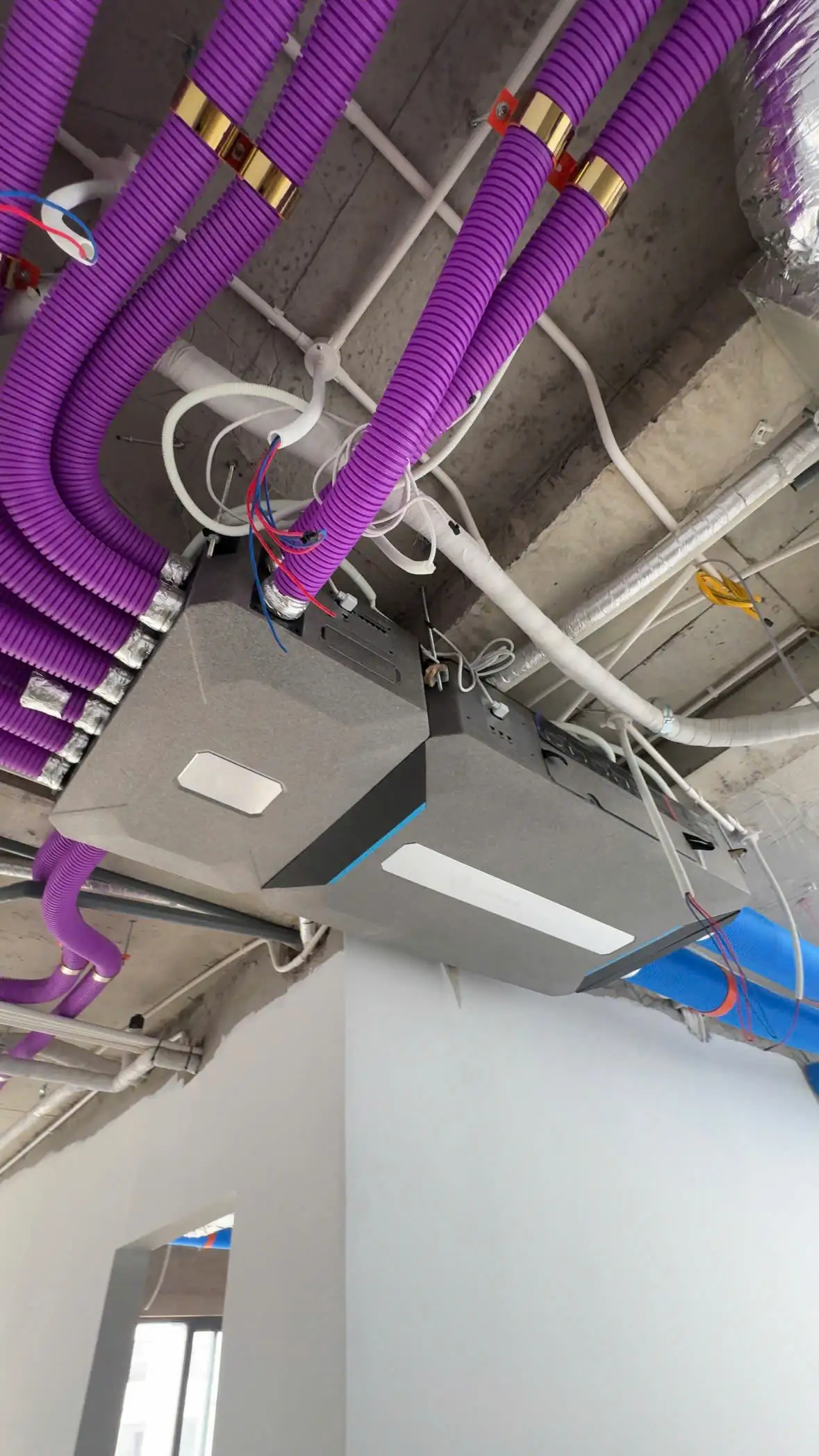
Cooking smells, lingering smoke, or that stuffy feeling in a closed-up room — odor control is one of the top reasons homeowners look into a fresh air ventilation system. So how does CyberVent fresh air system odor removal actually work, and how effective is it in real homes? This guide breaks down the mechanism, what types of odors it handles well, and where it falls short — so you know exactly what to expect before you invest.
Does the CyberVent Fresh Air System Remove Odors?
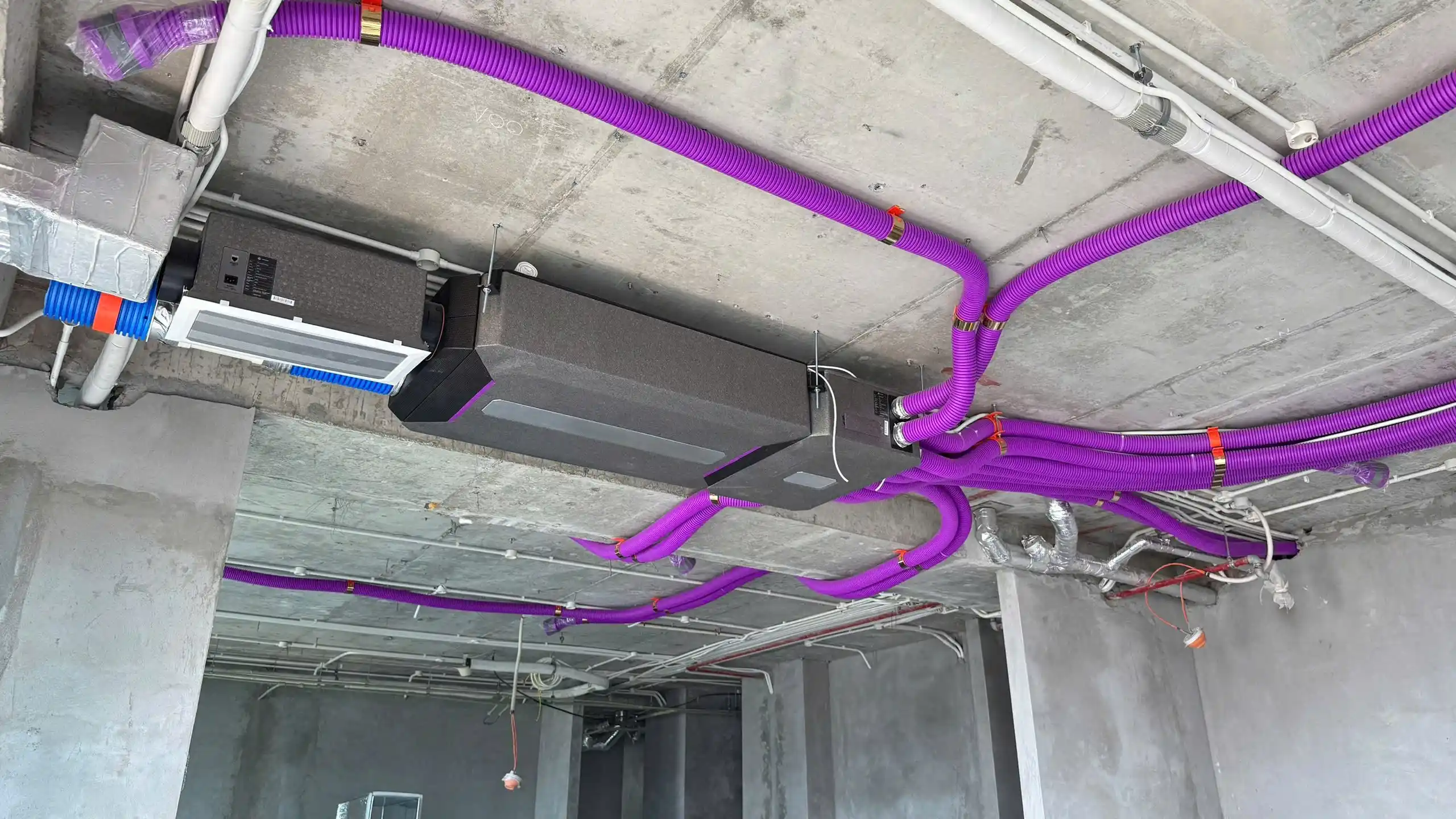
The CyberVent fresh air system can help reduce odors in your living space, but it isn’t designed for instant odor elimination at the source. If you’re cooking or dealing with cigarette smoke, a dedicated appliance — like a range hood — is still the better tool for removing odor the moment it’s produced.
CyberVent’s real strength is continuous air exchange. By constantly cycling stale indoor air out and fresh outdoor air in, it gradually dilutes lingering odors over time. Leftover cooking smell after dinner, for example, won’t vanish instantly — but it will noticeably fade as the system keeps running.
Bottom line: if you need to kill an odor the second it appears, CyberVent isn’t a substitute for a range hood or a dedicated odor-removal device. But for stale, lingering smells that build up from everyday living, it’s an effective supporting solution for a fresher-feeling home.
What Types of Odors Can CyberVent Handle?
Leftover Cooking Smells
CyberVent helps reduce food odors that linger in a room after cooking or eating. It’s not built to capture smoke and grease at the source during cooking — that job still belongs to your range hood. Once cooking is done, though, continuous air exchange steadily clears out the residual smell.
Stale Cigarette Smoke
For lingering smoke odor, CyberVent pulls out a portion of the contaminated air and replaces it with fresh air, gradually reducing the smell over time. If smoking is ongoing, though, its ability to keep up is limited — it can’t eliminate an active smoke source instantly.
Musty, “Stuffy Room” Smell
In spaces that stay closed up often — bedrooms, living rooms, or apartments running AC around the clock — body odor and everyday living smells tend to build up. Constant air circulation prevents stagnant air pockets, reducing that stuffy feeling and keeping the space fresher.
Dampness and Trapped Air
CyberVent can help improve musty, damp-feeling air in poorly ventilated areas. However, if the odor is coming from mold, water-damaged walls, or persistent high humidity, you need to address the root cause directly — the system supports air quality but isn’t a substitute for waterproofing, mold remediation, or a dedicated dehumidifier.
Overnight Bedroom Odor Buildup
After a night with doors and windows closed, bedrooms often feel stuffy with accumulated odors. CyberVent’s continuous air exchange steadily replaces stale air with fresh air, leaving the room noticeably more breathable by morning. This is exactly the kind of gradual, ongoing need the system is built for — as opposed to instant odor removal at the source.
Where CyberVent Falls Short: Strong, Continuous Odor Sources
CyberVent isn’t the right solution for strong, persistent odors like sewage, garbage, chemical fumes, or spoiled food coming from a fixed location. In these cases, you need to identify and eliminate the source directly first.
Read more: How to Install the CyberVent Main Unit for Optimal Performance?
What Affects CyberVent’s Odor-Removal Performance?
Real-world results vary by space. Key factors include:
- Odor type and intensity: Mild, everyday smells (cooking residue, general living odors) fade faster than strong, continuous ones like cigarette smoke or emissions from a fixed pollution source.
- Whether the source is still active: If an odor keeps being generated, CyberVent can’t make it disappear quickly. Cooking, sewage, garbage, and mold odors need to be addressed at the source first.
- Room size and volume: Larger spaces require more air exchange, so system airflow needs to be sized correctly for each area.
- Air exchange rate: How much stale air is removed and how much fresh air is supplied directly affects how fast odors fade.
- Supply and return vent placement: Well-positioned vents keep airflow even and prevent dead zones where air — and odor — stagnate.
- Runtime: CyberVent doesn’t work instantly. It needs sustained operation time to steadily reduce lingering odors.
- How airtight the space is: Rooms that are frequently sealed, air-conditioned, or poorly naturally ventilated trap odors more easily. Consistent air exchange helps offset this.
- System design and calibration: Capacity, ductwork, per-room airflow, and vent placement all need to be properly engineered for the building.
Can CyberVent Replace an Air Purifier or Range Hood?
It’s Not a Full Replacement for a Range Hood
A range hood is built to capture smoke, grease vapor, and odors right at the cooking source — so during active cooking, it’s still essential. CyberVent is better suited to clearing out what’s left behind after cooking, gradually reducing residual odor through ongoing air exchange rather than eliminating it instantly.
CyberVent and Air Purifiers Serve Different Purposes
An air purifier mainly cleans the air already inside a room by pulling it through a filter and recirculating it — depending on the model, that can mean filtering fine dust, pollen, or certain pollutants. CyberVent, on the other hand, focuses on air circulation and bringing in fresh outdoor air. That makes it especially valuable in homes that stay sealed up or run AC constantly, where stuffiness and stale odors tend to accumulate.
Better Together: Pairing CyberVent With Other Devices
Rather than choosing one device to replace another, many households get the best results by combining them based on their needs:
- CyberVent + range hood: ideal for households that cook often — the hood handles odor at the source, CyberVent handles what lingers afterward.
- CyberVent + air purifier: ideal for areas needing extra dust filtration or more targeted air quality control.
- CyberVent + dehumidifier: ideal for humid climates or spaces needing moisture control alongside continuous air circulation.
Related: Is Fresh Air Supply for Air Conditioning Necessary?
The Bottom Line
Overall, the CyberVent fresh air system can help reduce lingering odors and improve airflow in your home, but it isn’t a replacement for instant-odor devices like a range hood. If you’re looking for a comprehensive indoor air quality solution for your home, reach out to CyberVent for guidance on configuring CyberVent to fit your space, needs, and building layout.