
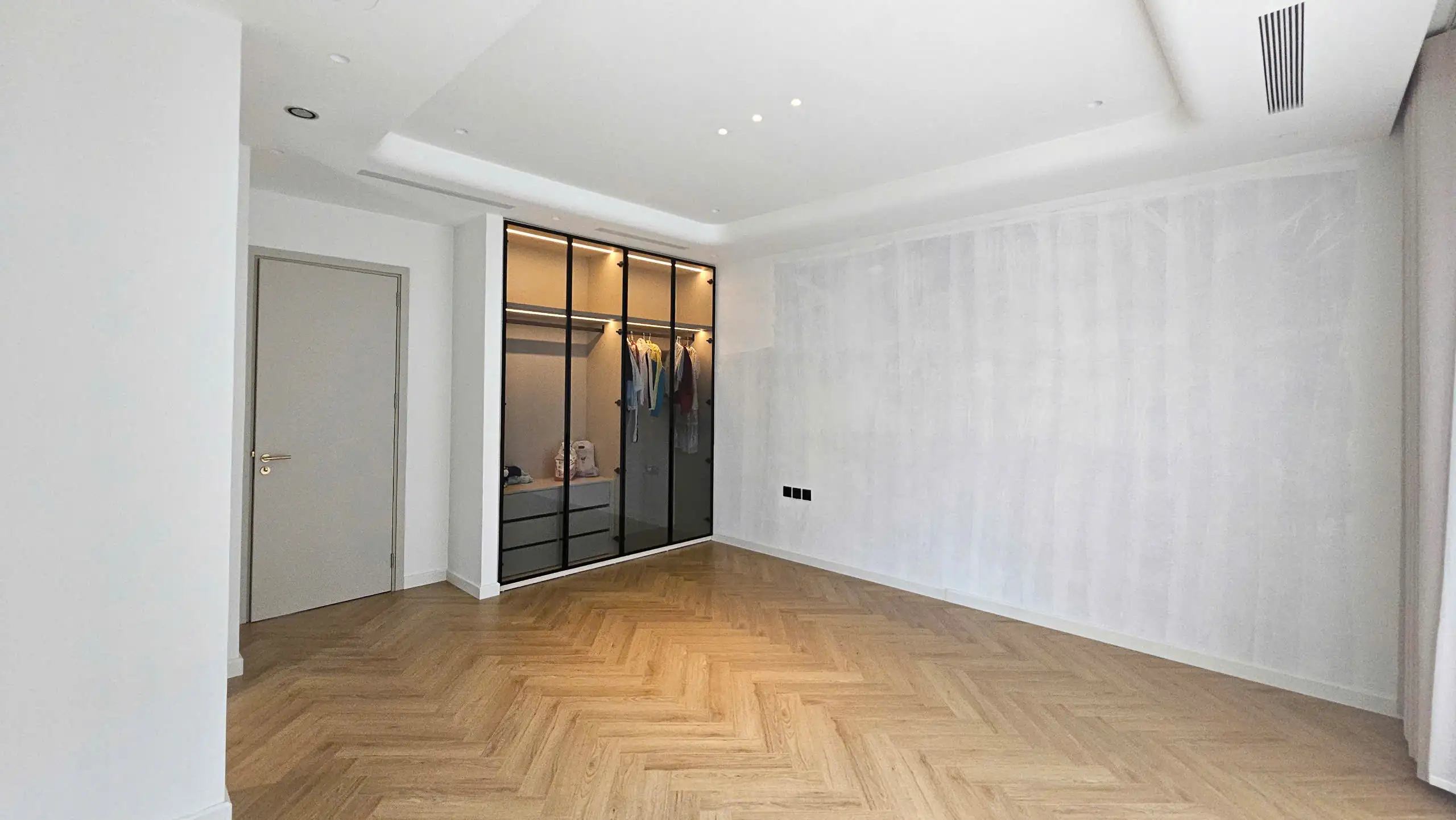
In spaces where air conditioning is used frequently, keeping doors and windows closed for long periods can make the indoor environment feel stuffy and poorly ventilated. Fresh Air Supply for Air Conditioning is a solution designed to introduce outdoor air into the space while helping improve indoor air quality. So, is a fresh air supply really necessary, and which types of spaces should use it? This article provides a detailed explanation.
Is Fresh Air Supply for Air Conditioning Really Necessary?
Fresh Air Supply for Air Conditioning is not always mandatory, but it is particularly useful in enclosed spaces, rooms with few windows, or areas where air conditioning operates for extended periods.
When doors and windows remain closed for long periods, indoor air may become stuffy, CO₂ levels can increase, and odors or indoor pollutants may gradually accumulate.
A fresh air supply system introduces a controlled amount of outdoor air into the space, helping maintain ventilation and improve indoor air quality. The required fresh air volume depends on several factors, including room size, occupancy, airtightness, and the duration of air-conditioning use.
For homes, offices, bedrooms, meeting rooms, and other enclosed spaces, combining air conditioning with a filtered fresh air supply system is worth considering to create a more comfortable and well-ventilated indoor environment.
Benefits of Fresh Air Supply for Air Conditioning
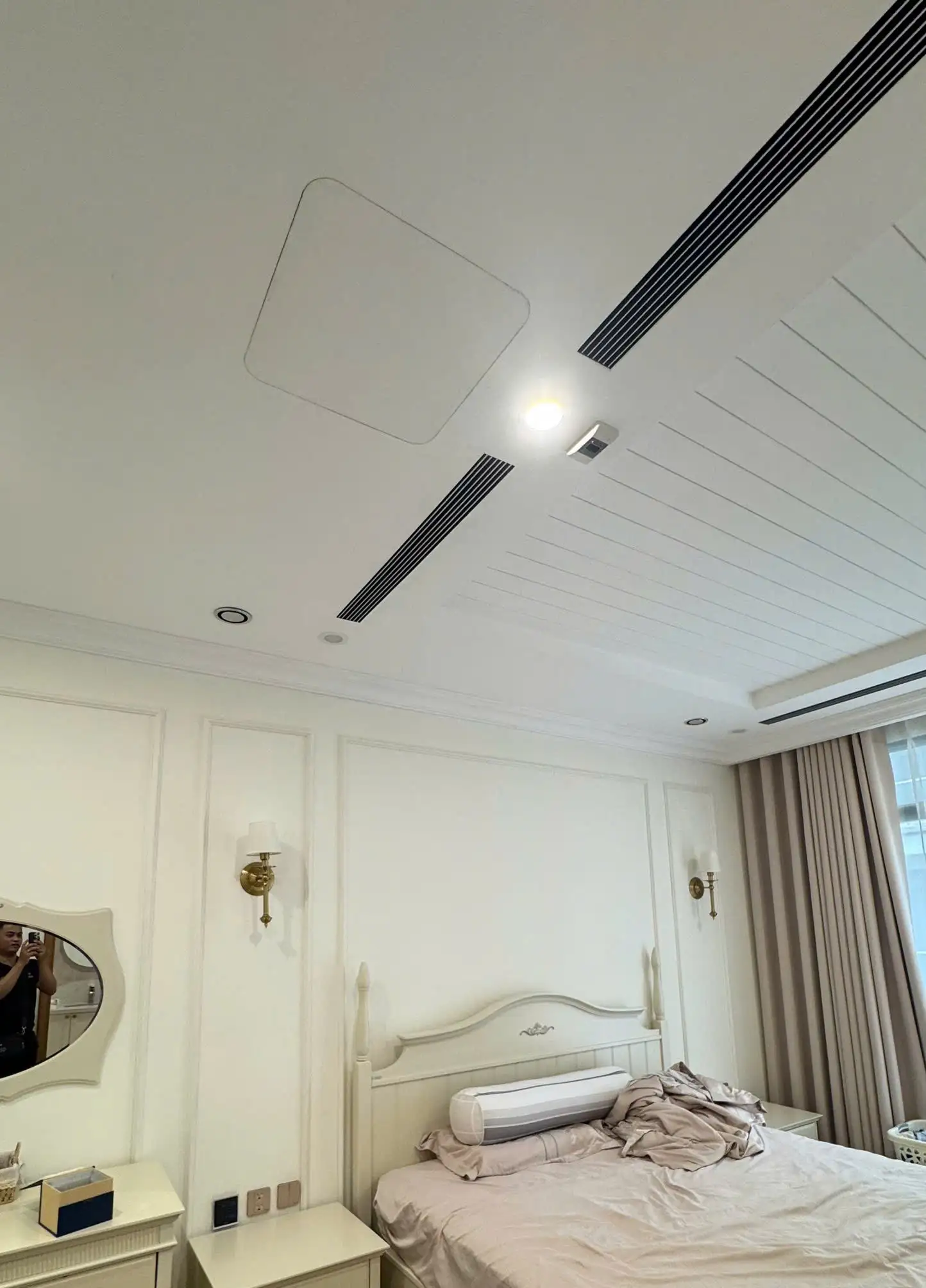
Fresh Air Supply for Air Conditioning helps introduce outdoor air into enclosed spaces and is especially useful in rooms where air conditioning is used for long periods.
Some notable benefits include:
- Improved ventilation: Introduces fresh outdoor air to help reduce stuffiness and stagnant indoor air.
- Supports CO₂ control: When many people stay in an enclosed room, a fresh air ventilation system can increase air exchange and help reduce CO₂ accumulation.
- Helps control airborne pollutants: Systems equipped with appropriate filters can help reduce fine dust, pollen, and certain pollutants from outdoor air before they enter the room.
- Reduces odors and stale air: A continuous supply of fresh air can help dilute odors and pollutants generated indoors.
- Improves comfort when using air conditioning: The space can remain cool while receiving a controlled supply of filtered fresh air.
For effective operation, the fresh air volume and filtration system should be selected based on room size, occupancy, and the specific characteristics of each space.
How to Choose a Fresh Air Supply System for Air Conditioning
When selecting a Fresh Air Supply System for Air Conditioning, it is important to consider more than simply the ability to bring outdoor air indoors.
A suitable system should address ventilation, filtration, and stable long-term operation at the same time.
- Appropriate airflow rate: Fresh air volume should be calculated according to room size, occupancy, and usage duration to provide an appropriate amount of outdoor air.
- Integrated air filtration: Systems with suitable filtration stages are preferable for reducing fine particulate matter, pollen, and pollutants from outdoor air.
- Heat exchange capability: For air-conditioned spaces, heat recovery or heat exchange can help reduce the impact of incoming outdoor air on indoor temperature and support more efficient energy use.
- Quiet and stable operation: This is particularly important for bedrooms, offices, and spaces occupied for long periods.
- Easy maintenance: Filters should be easy to inspect, clean, or replace regularly to maintain filtration performance.
For these reasons, it is generally preferable to choose a Fresh Air Supply System for Air Conditioning that integrates airflow control and air filtration rather than relying solely on a basic fresh air fan.
CyberVent – Fresh Air Supply Combined with Centralized Air Treatment for Enclosed Homes
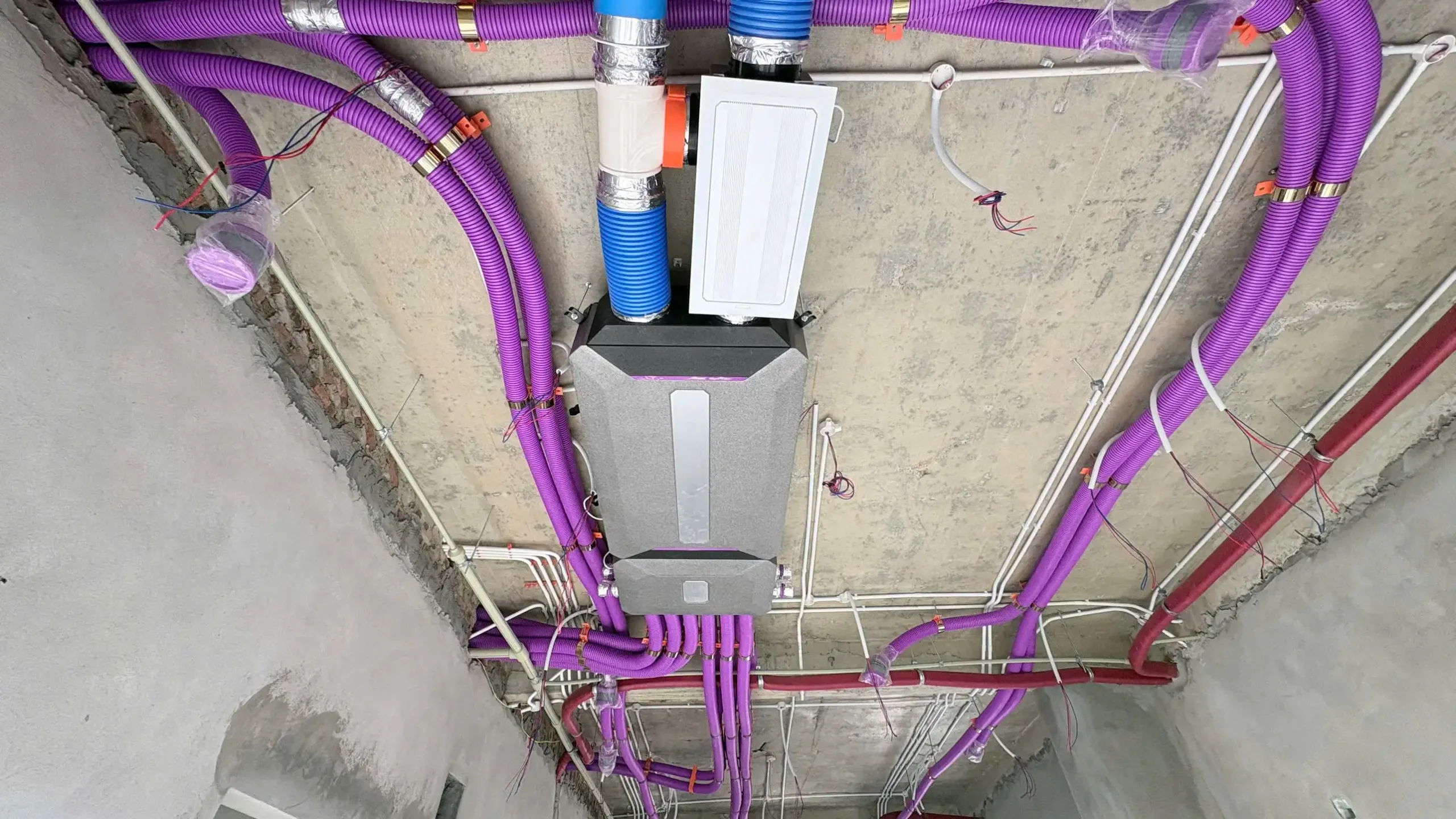
For enclosed spaces where air conditioning is used frequently, Fresh Air Supply for Air Conditioning should ideally be combined with appropriate filtration and air distribution.
CyberVent is designed as a centralized air treatment system that integrates HEPAStack filtration, heat exchange, electronic air distribution, and air quality sensors.
CyberVent – Fresh Air Supply Combined with Air Treatment for Enclosed Homes CyberVent – Fresh Air Supply Combined with Air Treatment for Enclosed Homes
HEPAStack Filtration Treats Air Before It Enters the Room
CyberVent uses a multi-stage HEPAStack filtration system to treat incoming air before distributing it throughout the home.
The filtration structure includes:
- Washable pre-filter: Helps capture pollen, hair, and larger airborne particles.
- F7 medium-efficiency filter: Further captures dust and smaller airborne particles, helping reduce the particle load reaching subsequent filtration stages.
- HEPA H13 filter: A high-efficiency filtration stage that helps capture fine particles, bacteria, viruses, and other small airborne contaminants.
The multi-layer filtration structure helps distribute the filtration load across different stages and improves air treatment before the air is supplied to living spaces.
Fresh Air Is Filtered Before Passing Through the Heat Exchange Unit
One notable feature of CyberVent is that outdoor air passes through the filtration system before entering the main heat exchange unit.
After filtration, the treated air is delivered indoors through the supply air ducts.
The heat exchange unit uses an ERV/HRV core together with temperature and humidity sensors to support energy exchange between indoor exhaust air and incoming outdoor air.
As a result, when providing Fresh Air Supply for Air Conditioning, the system can help reduce the temperature difference between incoming outdoor air and the conditioned indoor environment.
Flexible Air Distribution with an Electronic Air Distribution Unit
CyberVent uses an electronic air distribution unit with 16 air pathways, allowing the airflow of individual ducts to be adjusted independently.
Supply and return air paths can be arranged by floor, making ductwork design more flexible for homes with multiple zones.
In particular, the system can adjust the ratio of indoor recirculated air and outdoor fresh air, supporting different air treatment modes instead of operating solely as a one-way fresh air supply system.
Four Filtration Modes for Different Operating Conditions
CyberVent provides four primary operating modes:
- One-way filtration: Prioritizes the supply of treated air into the home and can be used when faster indoor air treatment is required.
- Two-way filtration: Creates positive pressure while supporting ventilation and helping control indoor pollutants.
- Recirculation mode: Suitable when outdoor air contains high levels of dust or weather conditions are unfavorable. Indoor air is recirculated and filtered.
- Boost filtration mode: Concentrates airflow in an area experiencing a sudden increase in pollution to accelerate air treatment.
This flexible air distribution approach allows CyberVent to adapt to different conditions instead of functioning only as a conventional outdoor air supply system.
Air Exchange Combined with Energy Recovery
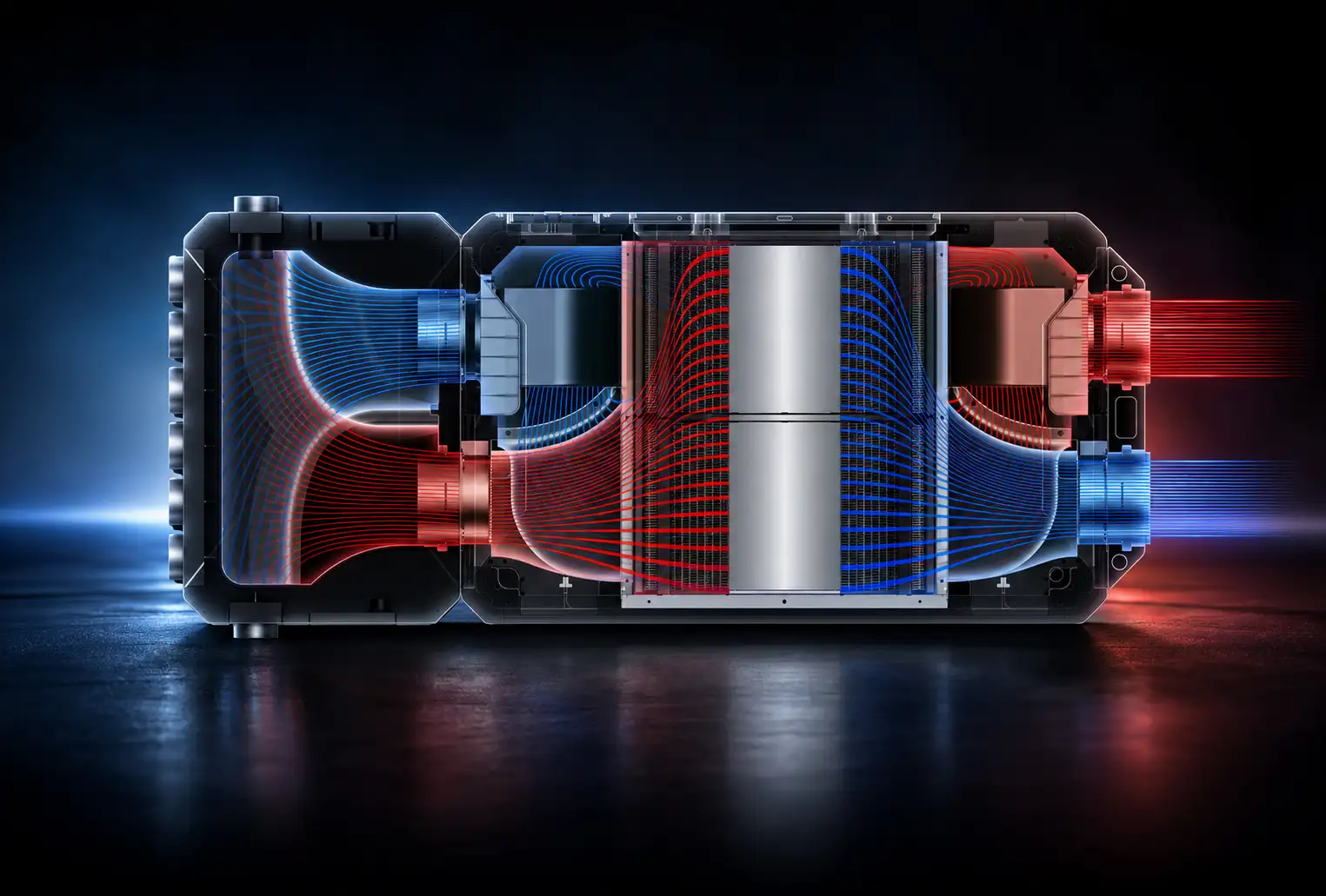
Two electronically controlled EC fans, combined with PITSS heat exchange technology, allow the system to actively manage airflow.
CyberVent provides airflow rates ranging from 150 to 520 m³/h, making it suitable for different space sizes and ventilation requirements.
By combining heat exchange with adjustable indoor-to-outdoor air ratios, the system is designed to provide ventilation while helping reduce energy loss when air conditioning is in use.
Sensors Monitor Indoor Air Quality in Real Time
CyberVent can connect to air quality sensors that monitor temperature, humidity, CO₂, and PM2.5.
The data is transmitted to a smart control panel, allowing users to monitor indoor air quality and select an appropriate operating mode.
As a result, CyberVent is more than simply a device for Fresh Air Supply for Air Conditioning. It operates as an integrated air treatment system following the process:
Filtration → Heat Exchange → Air Distribution → Air Quality Monitoring
This approach is particularly suitable for enclosed homes that require fresh air, dust control, and comfortable indoor conditions while air conditioning is operating.
Conclusion
Fresh Air Supply for Air Conditioning is particularly beneficial for homes, offices, and other enclosed spaces where air conditioning is used for extended periods.
Proper fresh air ventilation not only helps improve indoor air circulation but also supports CO₂ management and helps reduce the accumulation of indoor pollutants.
When selecting a system, it is important to consider an appropriate airflow rate, effective air filtration, quiet operation, and reliable long-term performance.
A well-designed fresh air supply system can provide better ventilation while maintaining a comfortable indoor environment alongside air conditioning.
FAQs
1. Is Fresh Air Supply for Air Conditioning really necessary?
Yes, especially in enclosed rooms, spaces with few windows, or areas where air conditioning is used for long periods. Fresh air supply introduces outdoor air and helps control CO₂ accumulation.
2. What are the benefits of Fresh Air Supply for Air Conditioning?
It helps improve ventilation, supports CO₂ control, and reduces stagnant indoor air in enclosed spaces.
3. Does an air-conditioned room need a continuous fresh air supply?
Not necessarily. The required ventilation frequency and airflow depend on room size, occupancy, airtightness, and how long the air conditioner is used.
4. What should you consider when choosing a Fresh Air Supply System for Air Conditioning?
Key factors include airflow capacity, filtration performance, heat exchange capability, operating noise, and maintenance requirements to ensure stable and effective long-term operation.