
Modern living spaces are becoming increasingly airtight to improve air-conditioning efficiency. However, this also limits natural air exchange. A Fresh Air Ventilation System and natural ventilation are two common solutions, but they differ significantly in their ability to control airflow, dust, and indoor air quality. So, which option is better suited for modern homes? Let’s explore the key differences and selection criteria below.
How Does a Fresh Air Ventilation System Differ from Natural Ventilation?
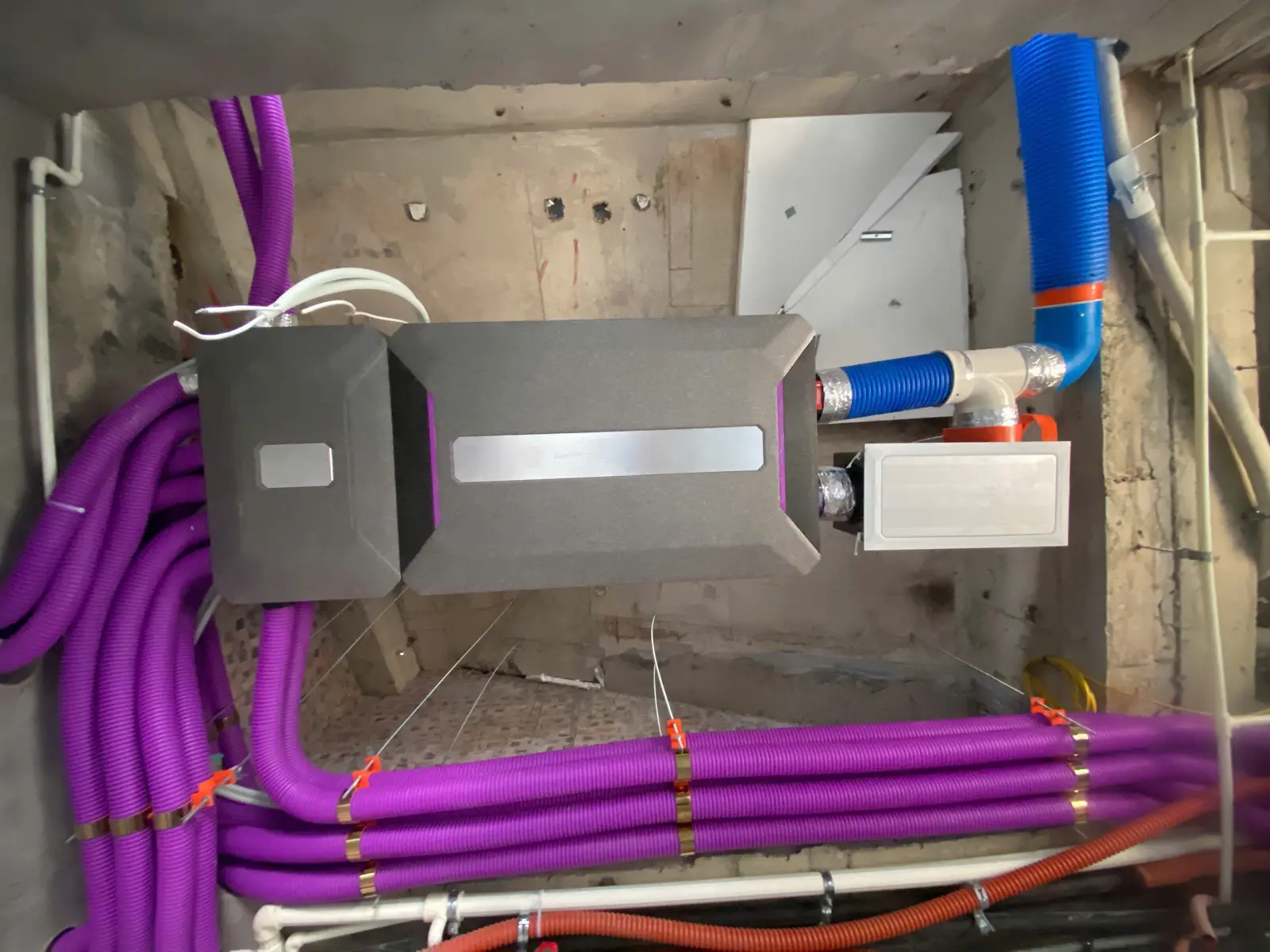
Both a Fresh Air Ventilation System and natural ventilation help bring fresh outdoor air into indoor spaces, but they differ in how they operate and how effectively they control indoor air quality.
- Operating principle: Natural ventilation relies on windows, doors, and natural airflow, while a Fresh Air Ventilation System uses mechanical equipment to actively bring outdoor air into the home.
- Airflow control: Natural ventilation depends heavily on weather conditions, while a Fresh Air Ventilation System allows for more stable and controlled airflow.
- Dust filtration: Opening windows can allow dust and outdoor pollutants to enter the home. A Fresh Air Ventilation System can integrate filtration to treat incoming air before it enters indoor spaces.
- Airtight and air-conditioned spaces: A Fresh Air Ventilation System is particularly suitable for spaces that remain closed for long periods and require a consistent supply of fresh air.
- Heat exchange: Some systems incorporate heat exchange technology to reduce the impact of outdoor air temperature on indoor comfort.
In summary: Natural ventilation works well in open and well-ventilated spaces, while a Fresh Air Ventilation System is worth considering for airtight homes, apartments, and spaces that rely heavily on air conditioning.
Benefits of a Fresh Air Ventilation System in Modern Homes
As buildings become more airtight and increasingly dependent on air conditioning, a Fresh Air Ventilation System provides a controlled way to introduce outdoor air and support a more comfortable indoor environment.
Key benefits include:
- Controlled fresh air supply: Outdoor air is brought indoors at a controlled airflow rate, helping reduce stuffiness and insufficient air exchange.
- Helps control dust and pollutants: Systems equipped with suitable filters can capture fine dust, pollen, and certain airborne contaminants before the air enters indoor spaces.
- Supports CO₂ control: In enclosed rooms with multiple occupants, fresh air ventilation increases air exchange and helps manage indoor CO₂ levels.
- Suitable for air-conditioned homes: Fresh air can be introduced without frequently opening windows or doors, helping reduce the influence of outdoor temperature and air quality on indoor conditions.
- Improves indoor air quality: Combining fresh air supply with air filtration can create a more comfortable and well-ventilated environment, particularly in airtight homes, apartments, and offices.
- Compatible with heat recovery: Some modern systems incorporate heat exchangers to reduce the impact of outdoor air temperature and support more efficient air-conditioning operation.
- Stable and controlled operation: Unlike natural ventilation, which depends heavily on weather and wind direction, a Fresh Air Ventilation System can operate according to actual building conditions and user needs.
When Should You Use a Fresh Air Ventilation System?
A Fresh Air Ventilation System is suitable when a space requires a consistent supply of outdoor air but opening windows or relying on natural ventilation is not sufficient.
Situations where a Fresh Air Ventilation System may be particularly useful include:
- Airtight homes with few windows: Limited airflow can make indoor spaces feel stuffy and poorly ventilated.
- Rooms that frequently use air conditioning: Fresh outdoor air can be introduced without continuously opening windows.
- Apartments and townhouses: Natural ventilation may be limited, especially in rooms located deep inside the building.
- High-occupancy spaces: Living rooms, bedrooms, offices, and other frequently occupied areas may benefit from increased air exchange and better CO₂ management.
- Areas with high levels of dust or pollution: Systems with appropriate filtration should be prioritized to treat outdoor air before it enters the building.
- Homes requiring greater indoor air quality control: Fresh air ventilation can be combined with dust filtration, odor treatment, and heat exchange to create a more comfortable indoor environment.
Overall, a Fresh Air Ventilation System is particularly beneficial for modern airtight homes and buildings that rely heavily on air conditioning.
CyberVent – A Fresh Air Ventilation System Combined with Centralized Air Treatment
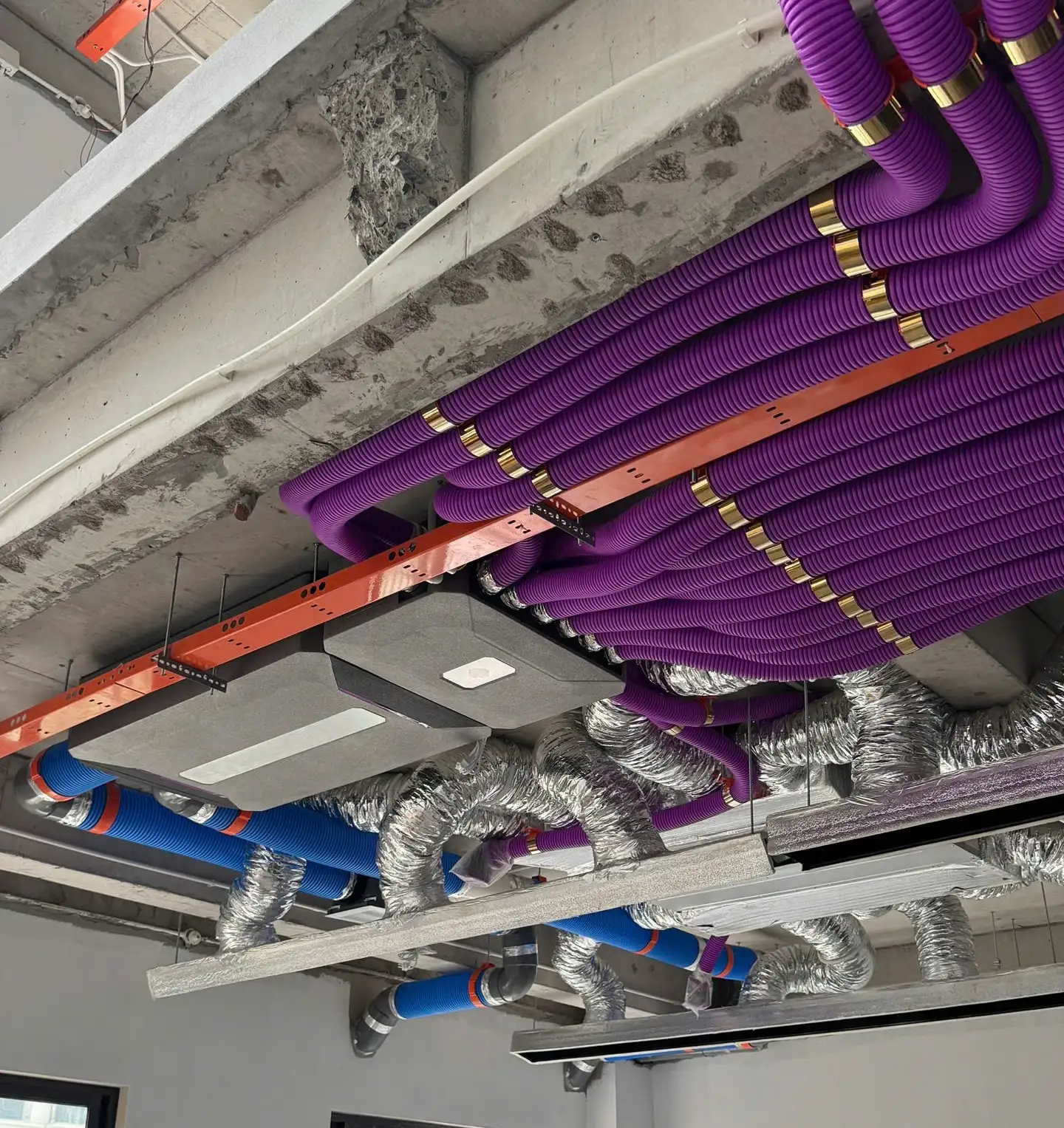
Unlike conventional systems designed primarily to bring outdoor air indoors, CyberVent is designed as a centralized air treatment system that combines fresh air ventilation, air filtration, heat exchange, and zoned air distribution.
This integrated structure addresses both ventilation requirements and indoor air quality control.
Controlled Fresh Air Supply Throughout the Home
CyberVent draws outdoor air into the system, treats it, and distributes it to different areas of the home through an electronic air distribution unit with 16 air pathways, including 8 supply air paths and 8 return air paths.
One of its key features is the ability to independently adjust airflow at each air outlet. This allows users to distribute air according to the size, usage requirements, and temperature conditions of each room instead of supplying the same airflow to the entire home.
HEPAStack – Multi-Stage Air Filtration
One of CyberVent’s notable features is its HEPAStack composite air filtration system. The system uses multiple filtration stages to treat the air before it is delivered into living spaces.
- Washable pre-filter: Captures larger dust particles, pollen, hair, and some airborne particulate pollutants. It can also be cleaned for extended use.
- F7 medium-efficiency filter: Further removes smaller dust particles and contaminants while reducing the filtration load on subsequent stages.
- HEPA H13 filter: A high-efficiency filtration layer designed to help capture fine particles, bacteria, viruses, and other particulate pollutants.
Thanks to its multi-stage filtration structure, the CyberVent Fresh Air Ventilation System not only introduces outdoor air but also treats the air before distributing it throughout the home.
PITSS Technology and Heat Exchange
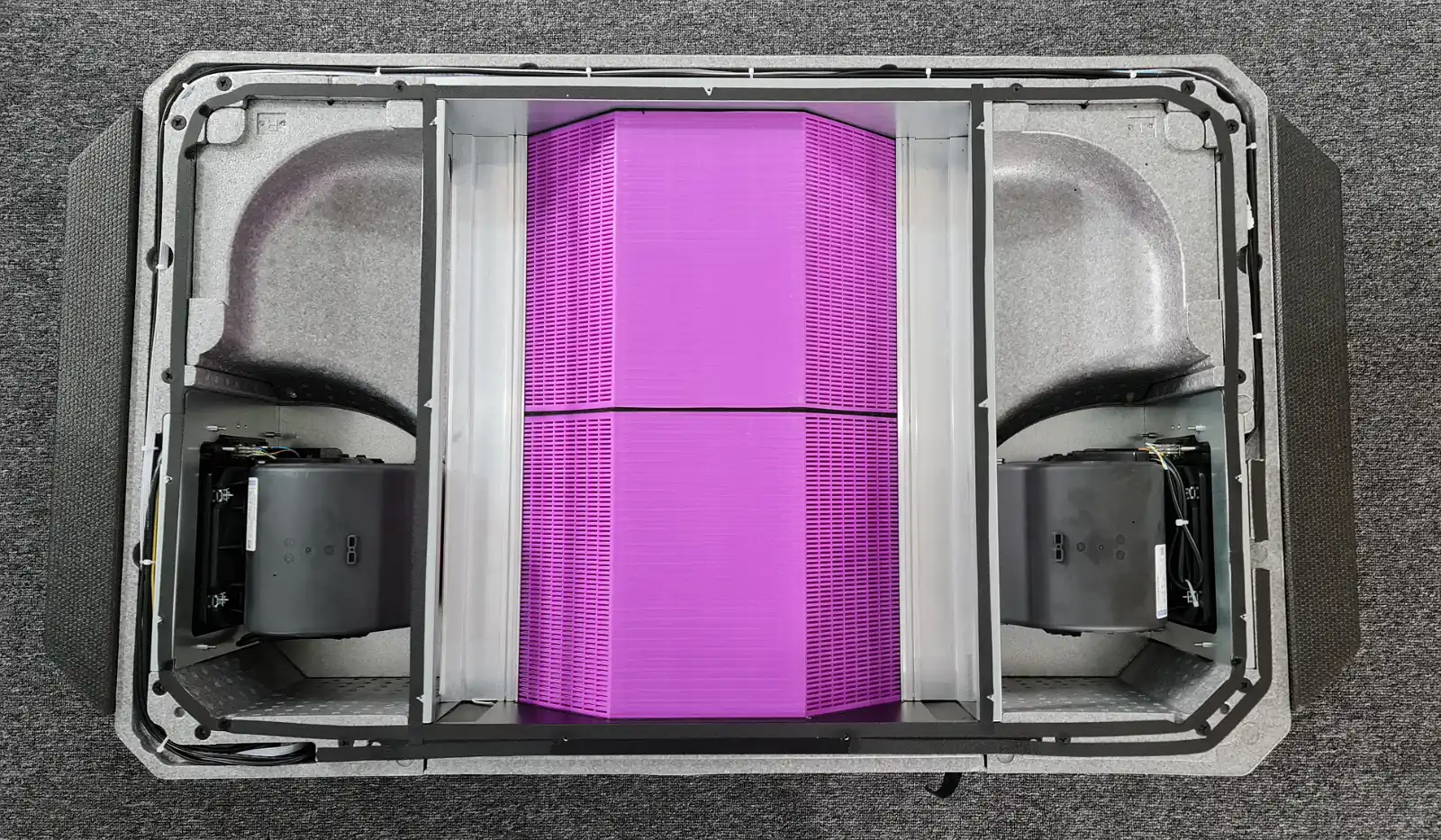
CyberVent incorporates PITSS heat exchange technology, with the heat exchange unit serving as the central component of the system.
The design uses two symmetrical EC fans together with a large heat exchange core to help maintain airflow and improve heat exchange efficiency.
The system provides a heat exchange efficiency of up to 86%. This mechanism transfers thermal energy between return air and incoming fresh air, helping reduce the temperature difference between the supplied air and the indoor environment.
This feature is particularly useful when combining a Fresh Air Ventilation System with air conditioning, as introducing outdoor air into an enclosed space can affect indoor temperature without an appropriate heat exchange solution.
Zoned Airflow Control
CyberVent not only controls the system as a whole but also supports zoned indoor air quality management.
The electronic air distribution unit can regulate airflow through individual ducts without significantly affecting other areas.
Users can allocate different airflow levels to living rooms, bedrooms, or other spaces depending on the time of day and actual needs. This makes the system more flexible and allows airflow to be optimized according to real-world usage requirements.
Four Air Treatment Modes
CyberVent offers four operating modes designed to adapt to different indoor and outdoor air quality conditions:
- One-way filtration: Focuses on treating indoor air while helping limit the entry of pollutants from outside.
- Two-way filtration: Creates positive pressure while supplying fresh air and helping remove indoor pollutants.
- Recirculation mode: Suitable when outdoor air contains high levels of dust or when weather conditions are unfavorable, allowing the system to focus on treating indoor air.
- Boost filtration mode: When a sudden pollution event occurs in a specific area, the system can concentrate airflow in that zone for faster air treatment.
These operating modes allow CyberVent to adapt its operation instead of relying on a single fixed ventilation method.
Air Quality Sensors and Smart Controls
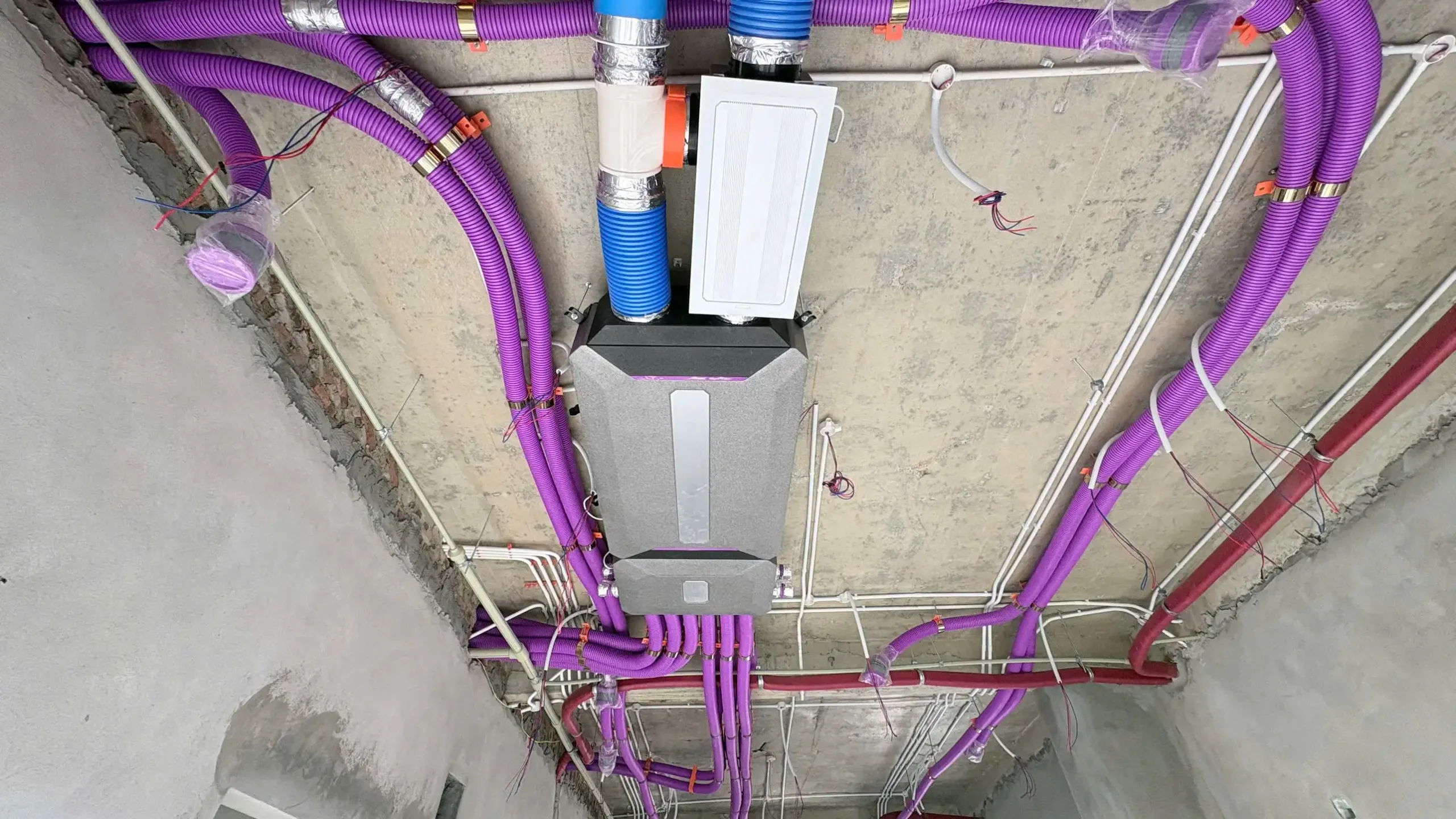
CyberVent is equipped with air quality sensors that monitor parameters such as temperature, humidity, CO₂, and PM2.5.
The data can be displayed on a smart control panel, allowing users to monitor indoor air conditions more intuitively.
The 4.1-inch touchscreen supports adjustments to airflow, pressure, filtration modes, and other operating parameters. The system also supports smart connectivity, making the Fresh Air Ventilation System more convenient to manage during daily use.
Designed for Quiet and Energy-Efficient Operation
CyberVent uses an EC motor combined with an EPP housing that provides thermal insulation and helps reduce operating noise.
The air distribution system is designed to optimize airflow pathways, helping minimize air loss and reduce resistance within the duct network.
In addition, the combination of heat exchange, zoned control, and multiple operating modes allows the system to adjust its output according to actual demand rather than continuously operating at maximum capacity.
CyberVent – More Than Just a Fresh Air Ventilation System
CyberVent stands out by integrating multiple functions into a centralized system, including fresh air ventilation, HEPAStack air filtration, PITSS heat exchange, zoned air distribution, air quality sensors, and smart controls.
As a result, CyberVent is designed as a more comprehensive solution than conventional ventilation systems that focus primarily on air exchange.
It is worth considering for airtight homes, villas, apartments, and buildings that frequently use air conditioning, where both a reliable fresh air supply and greater control over fine dust, CO₂, and indoor air quality are required.
Conclusion
For airtight homes and spaces that frequently use air conditioning, a Fresh Air Ventilation System provides a more controlled way to bring outdoor air indoors without relying entirely on natural ventilation.
In particular, CyberVent combines fresh air ventilation with centralized air treatment and multi-stage filtration, helping control dust and airborne pollutants before the air is distributed throughout the living space.
It is a practical solution for buildings that require a cleaner, more stable, and more comfortable indoor air environment.
FAQs
1. What is the difference between a Fresh Air Ventilation System and natural ventilation?
Natural ventilation relies on open windows, doors, and weather conditions, while a Fresh Air Ventilation System actively introduces outdoor air into the building and can also incorporate air filtration.
2. When should you use a Fresh Air Ventilation System?
It is worth considering for airtight homes, spaces with few windows, rooms that frequently use air conditioning, or buildings that require more active indoor air quality management.
3. Can a Fresh Air Ventilation System filter dust?
Yes, if the system is equipped with suitable filters. Incoming air can be treated before entering the room, helping reduce dust and certain airborne pollutants.
4. Should a Fresh Air Ventilation System be combined with natural ventilation?
Yes. The two approaches can complement each other depending on the building design, environmental conditions, and indoor air quality requirements.