
Modern homes are increasingly sealed to keep out dust and street noise, but this can also lead to poor air circulation and rising CO₂ levels. A home fresh air system brings outdoor air into the house, and some systems also integrate dust filtration and air quality control. Below are 5 key considerations to help you choose the right system for your family.
Assess Your Home’s Size and Ventilation Needs
When choosing a home fresh air system, start by determining the floor area, number of rooms, number of occupants and your actual fresh air requirements. If your home has many rooms or multiple floors, a centralized solution is the better fit, as it can distribute air to every zone instead of treating just one room.
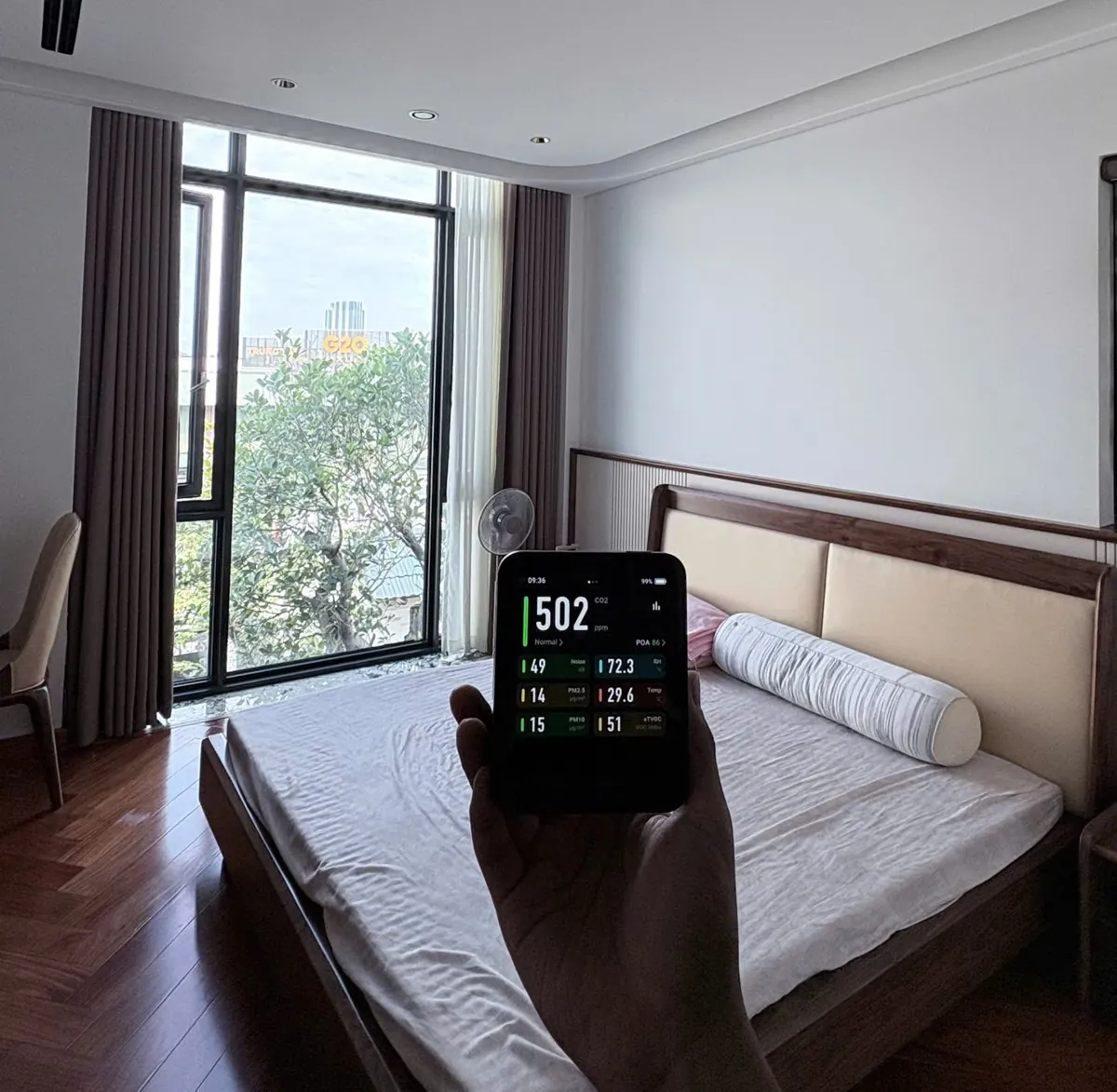
System capacity should be based on the total area to be served, the number of rooms and the required airflow, not on floor area alone. For larger projects or multi-storey villas, CyberVent can design zoned air distribution to match real-world usage.
Check Airflow Capacity and System Performance
When choosing a home fresh air system, pay close attention to the supply airflow to make sure the unit delivers enough air for the space. An undersized system may not ventilate adequately, while an oversized one can drive up both upfront and running costs.
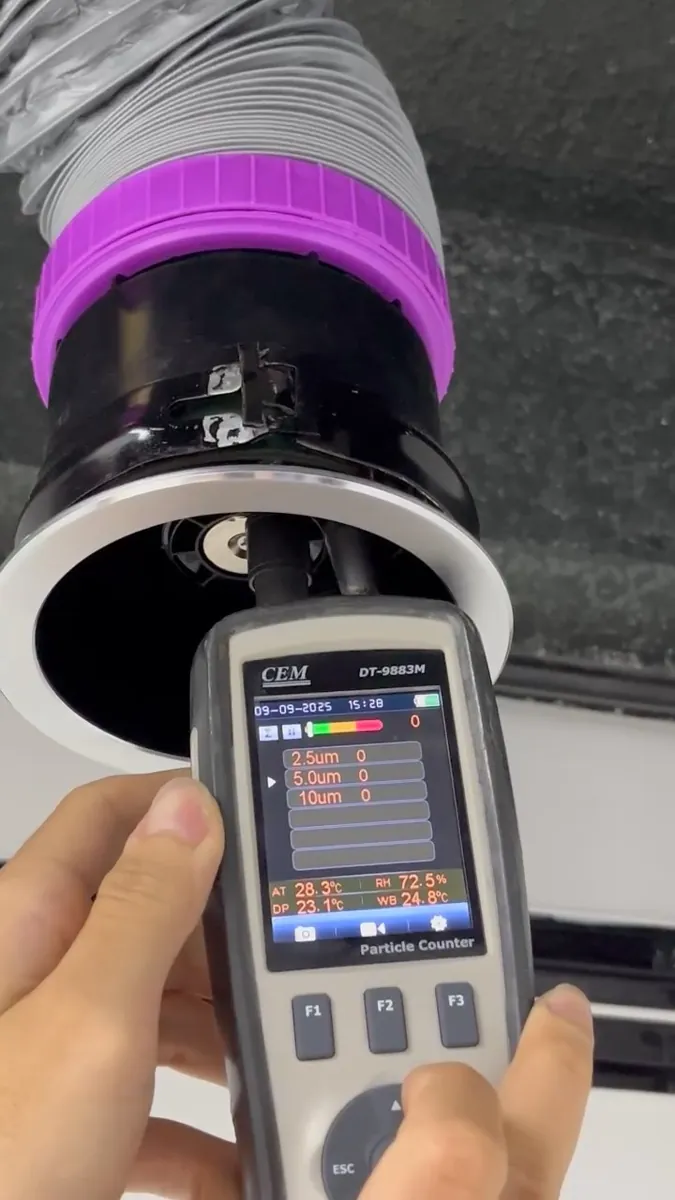
Key criteria to check:
- Supply airflow: Compare it against room size, number of occupants and actual usage needs.
- Air distribution: For homes with multiple rooms, prioritize a system that can deliver air to every area that needs it.
- Filtration efficiency: If the system includes filters, consider the filtration grade and how well it captures fine and ultrafine dust.
- Noise and power consumption: Especially important for continuous operation in bedrooms, living rooms and shared living spaces.
- Reliable operation: Choose equipment with clear technical specifications and operating modes that suit your household’s needs.
Filtration and Indoor Air Quality Control
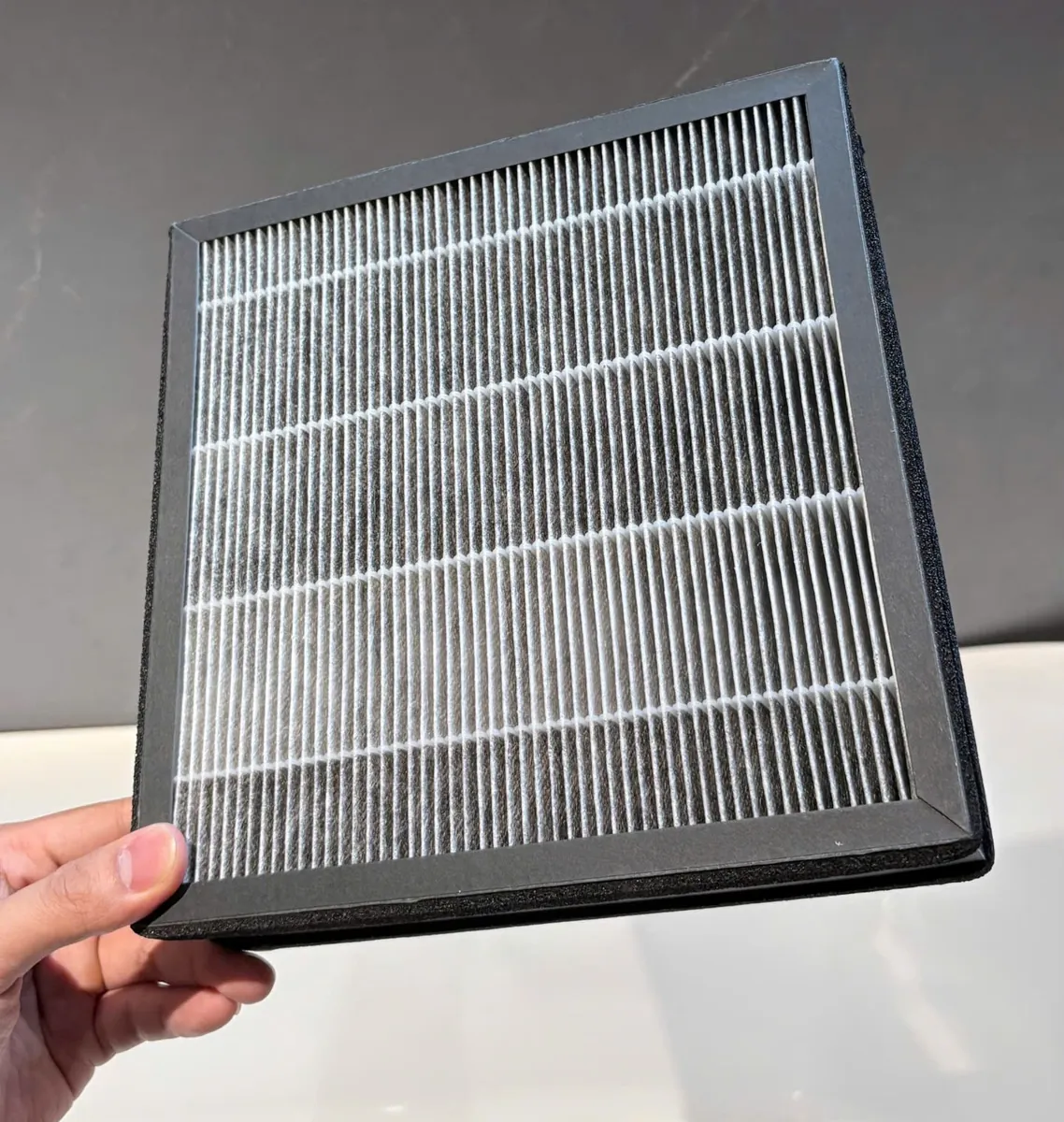
Beyond supplying air, a home fresh air system should have suitable filters to reduce dust and pollutants carried in from outdoors. When comparing options, check the following:
- Filtration grade: Choose filters that match your needs, especially if you live in an area with high levels of fine dust.
- Fine dust filtration: Review the filter’s technical specifications to see how effectively it captures PM2.5 and other small particles.
- Odor and VOC control: Activated carbon filters can help reduce odors and certain volatile organic compounds in the air.
- Air quality monitoring: Systems with sensors and automatic controls can track air conditions and adjust their operating mode accordingly.
- Regular filter replacement: Filters should be cleaned or replaced according to the manufacturer’s recommendations to maintain performance and air quality.
The CyberVent central air handling system does more than bring outdoor air indoors: it treats the airflow before delivering it to each living area. By combining fresh air supply, filtration, return air extraction and zoned air distribution, it keeps sealed spaces well ventilated while limiting the amount of outdoor dust drawn inside.
Choose an Installation Layout That Suits Your Home
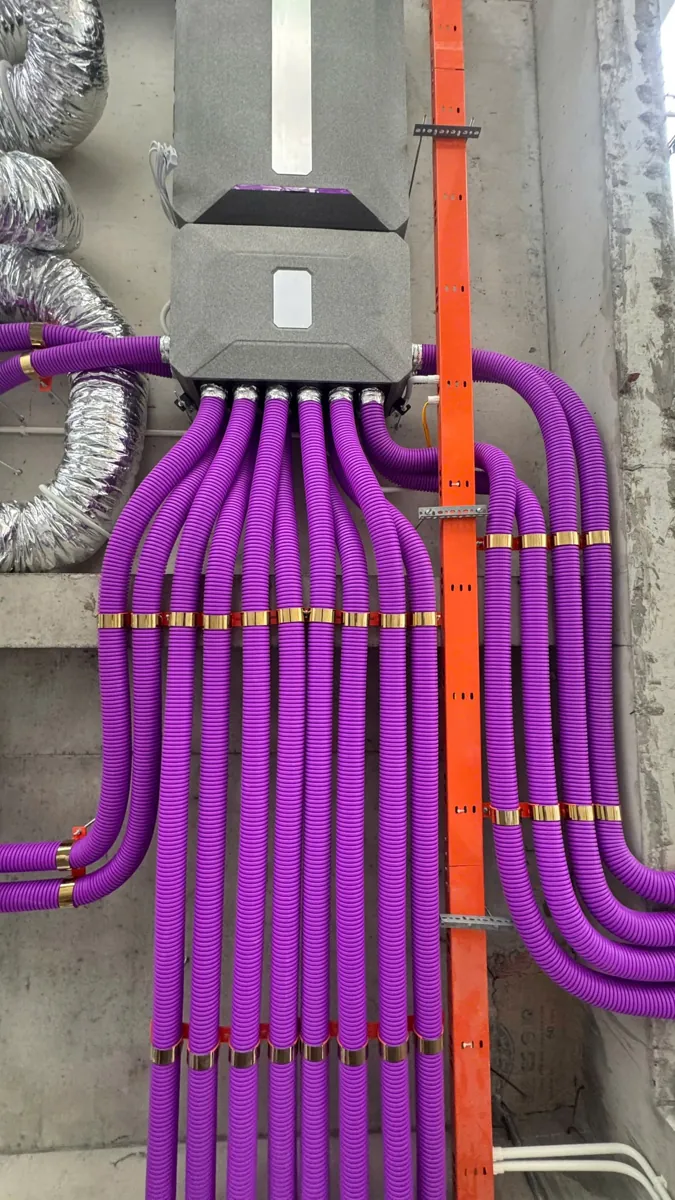
When choosing a home fresh air system, the installation plan should suit the home’s size, structure and usage needs. The CyberVent air handling system, for example, uses a centralized design combined with an electronic air distributor that supplies and returns air through ductwork to each zone.
Key points to consider:
- Unit location: The central unit should be placed where it suits the building’s structure, with easy duct connections and convenient maintenance access.
- Ductwork design: CyberVent uses a 16-duct electronic distributor, with 8 supply ducts and 8 return ducts, to distribute and recover air between different areas of the home.
- Zone-by-zone airflow control: The airflow of each duct can be adjusted individually to match the needs of each room or zone.
- Optimized for multi-room homes: Instead of supplying air to a single point, the CyberVent central air handling system can distribute air to multiple spaces, making it well suited to apartments, townhouses and villas with many rooms.
- Plan from the design stage: Decide on the unit location, ductwork and air vents early on to minimize the impact on interiors and ensure effective air distribution.
With its duct-by-duct air distribution, CyberVent is ideal for homes that need consistent air quality across multiple rooms rather than in a single space.
Costs, Maintenance and Regular Filter Replacement
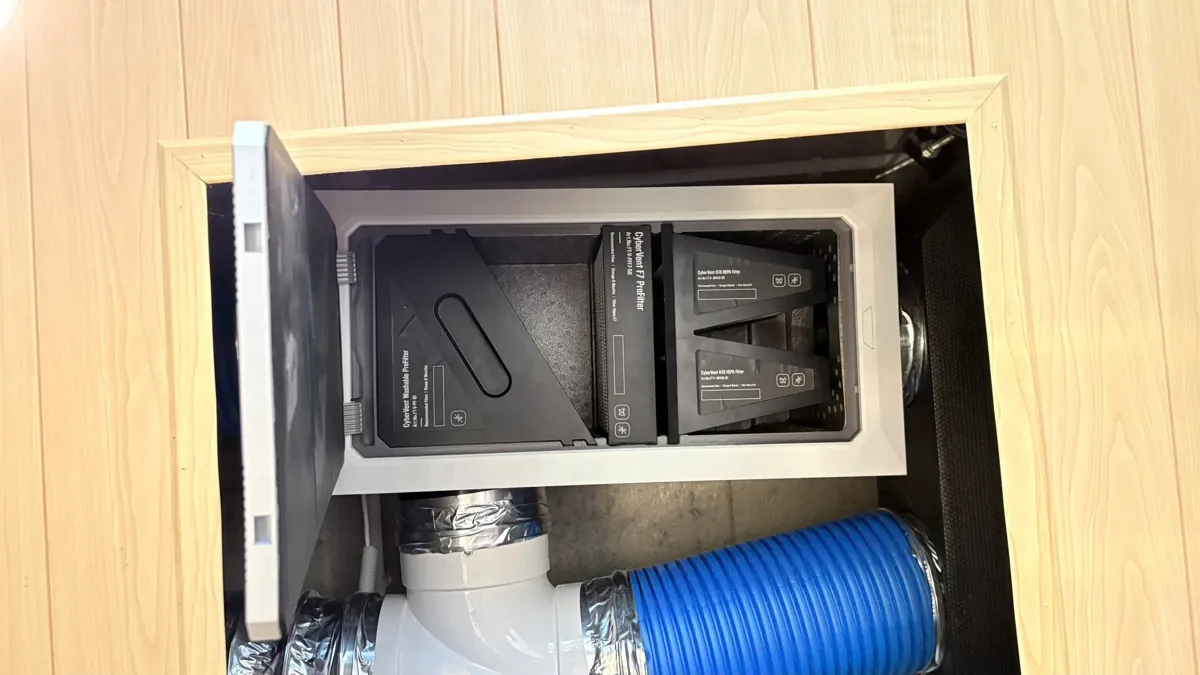
When choosing a home fresh air system, look beyond the initial investment and factor in operating and maintenance costs over the life of the system. Even a system with high-quality filters will lose air supply and filtration efficiency if the filters are not cleaned or replaced on time.
- Upfront cost: Include the price of the unit, installation, ductwork and accessories.
- Routine maintenance: Inspect the unit, ducts and air vents to keep the system running reliably.
- Filter replacement: Replacement intervals depend on air quality, frequency of use and the actual condition of the filters. Follow the manufacturer’s recommendations.
- Long-term costs: Check the price of filters, spare parts and maintenance services in advance so you can plan your budget.
- Easy maintenance access: The unit should be installed where filters can be inspected and replaced without disrupting daily life.
In short, when choosing a home fresh air system, evaluate the total cost of ownership and long-term maintenance rather than relying on the purchase price alone.
Conclusion
Choosing the right home fresh air system comes down to your living area, ventilation needs, supply airflow, filtration capability and practical installation conditions. Beyond the upfront investment, families should also consider noise levels, power consumption, and the cost of maintenance and filter replacement. Weighing all of these factors will help ensure the system runs efficiently and reliably, and continues to meet your needs for years to come.
FAQs
1. Does my home really need a fresh air system?
Yes, especially if your home is airtight, the air conditioning runs frequently, or certain spaces are poorly ventilated.
2. What should I look for when choosing a fresh air system?
Consider your floor area, supply airflow, filtration capability, installation layout and maintenance costs.
3. Can a fresh air system filter out fine dust?
Yes, provided the system is equipped with suitable filters, such as high-efficiency HEPA filters.
4. How often should fresh air system filters be replaced?
It depends on air quality and how often the system is used. Check the filters regularly and replace them according to the manufacturer’s recommendations.